
- Location: Pablo de Olavide University, Dos Hermanas, Seville, Spain
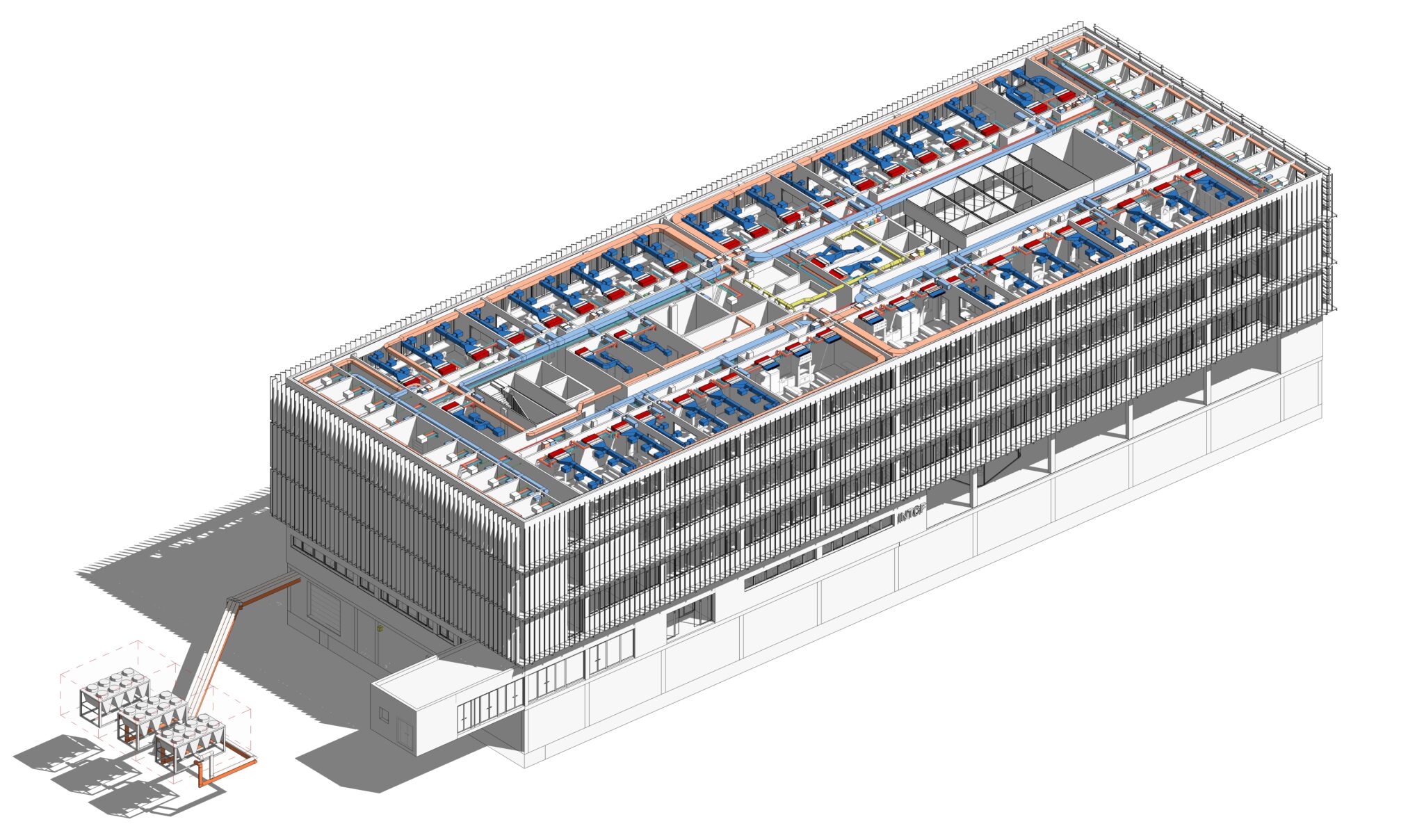
- Key Data: Installed thermal capacity: 3 heat pumps, each providing 401 kW of cooling and 405 kW of heating
- Technology: Reversible air-cooled heat pumps with hermetic scroll compressors
- Client: VIAS
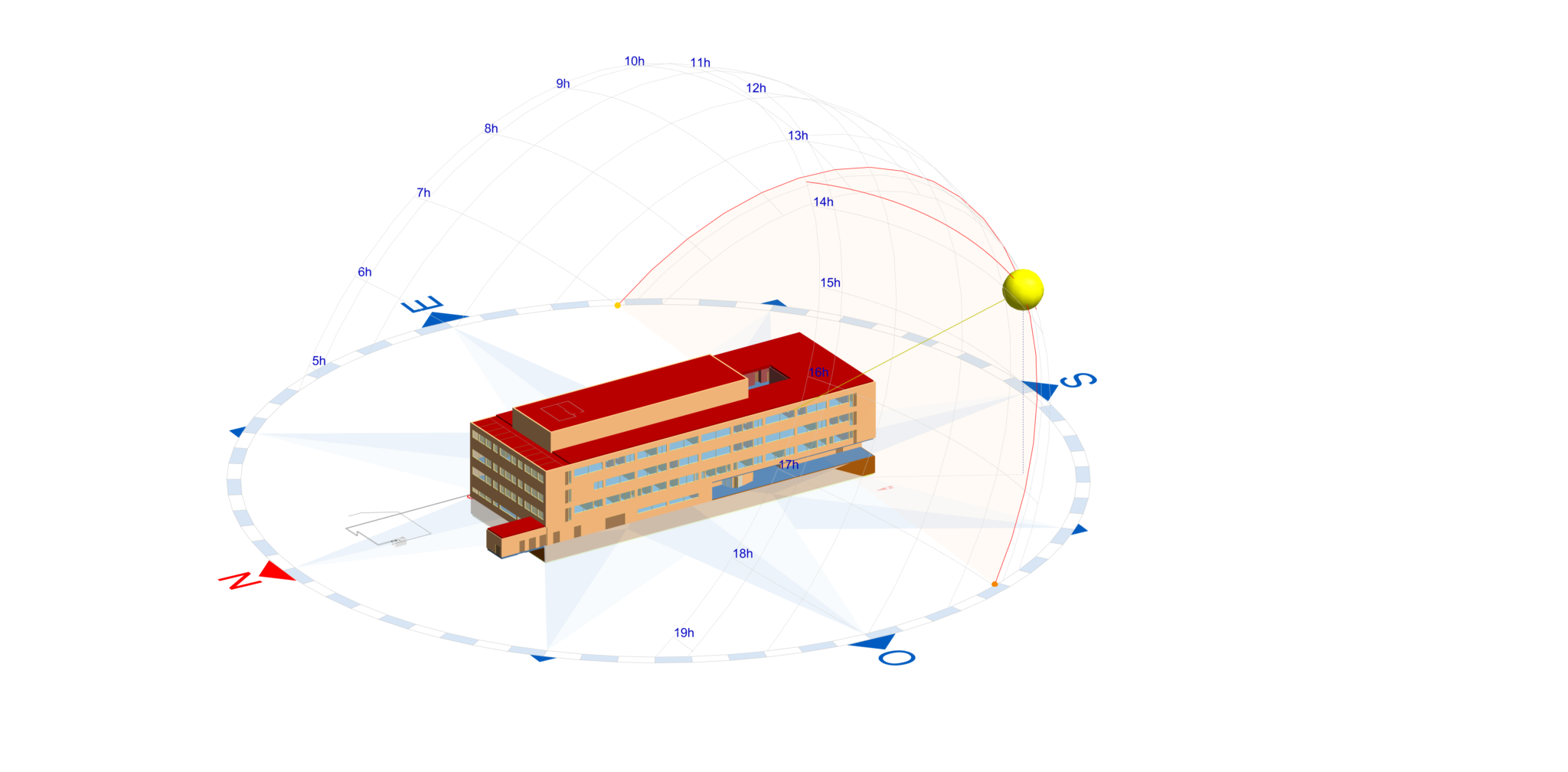
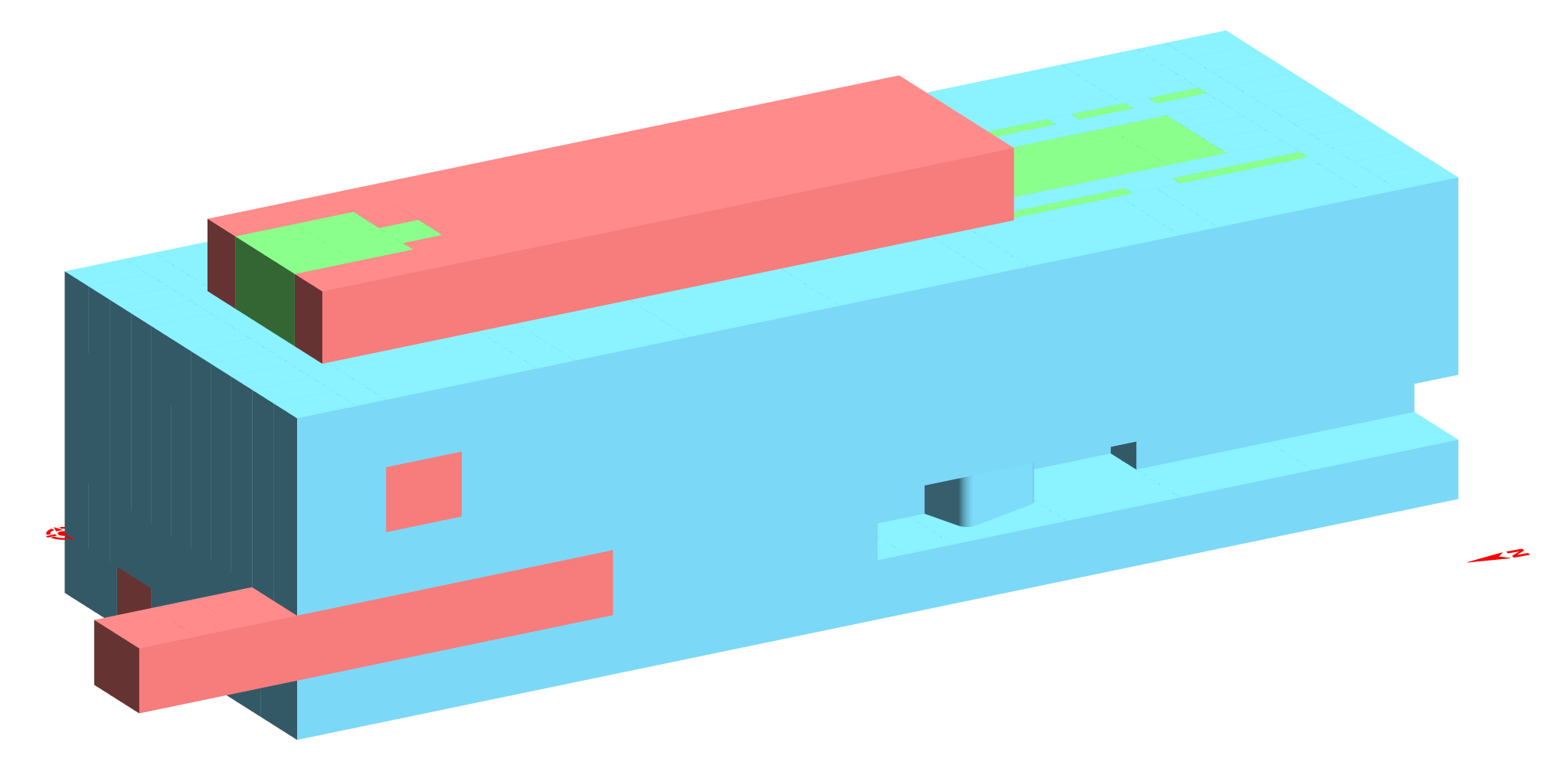
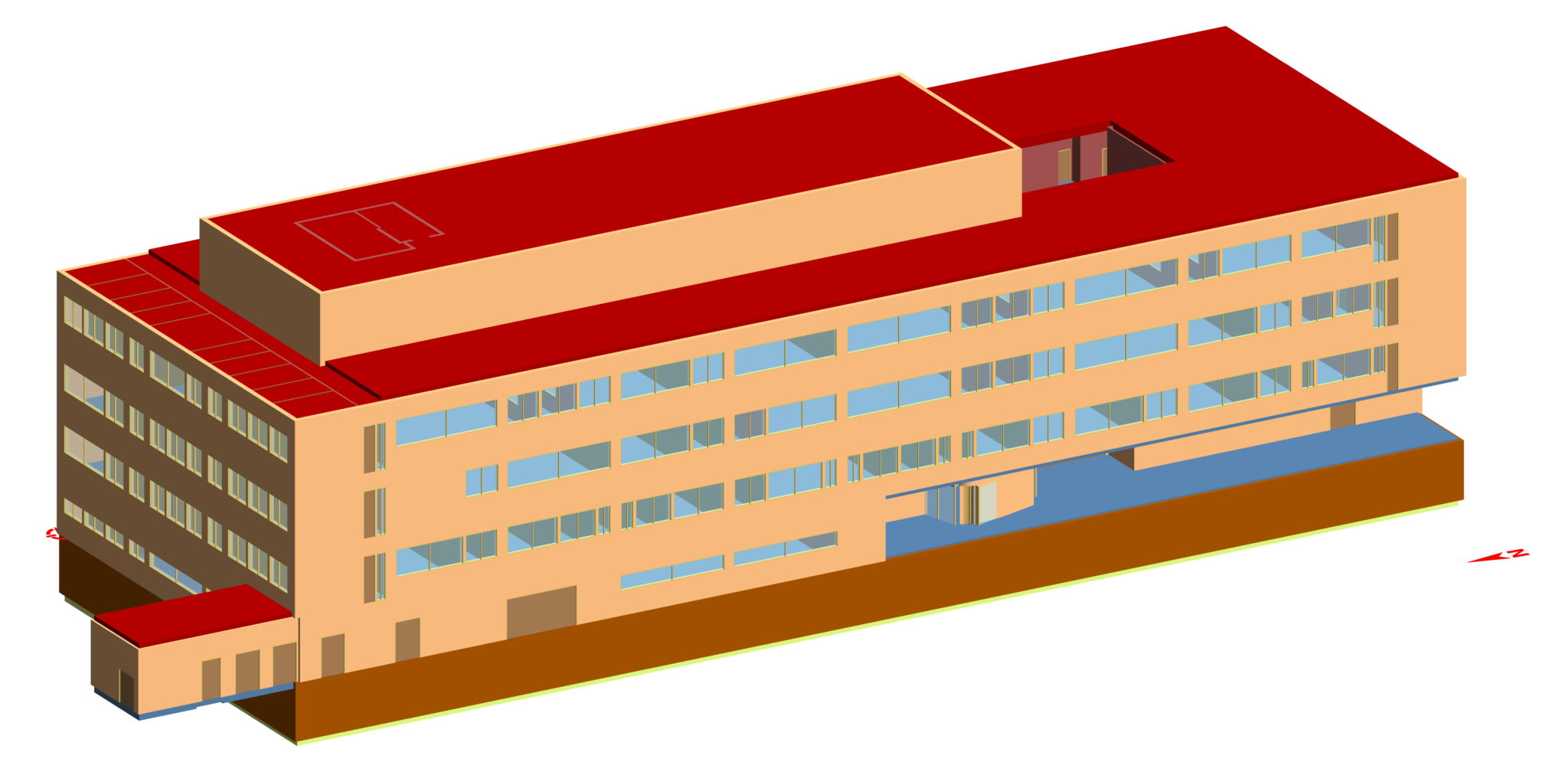
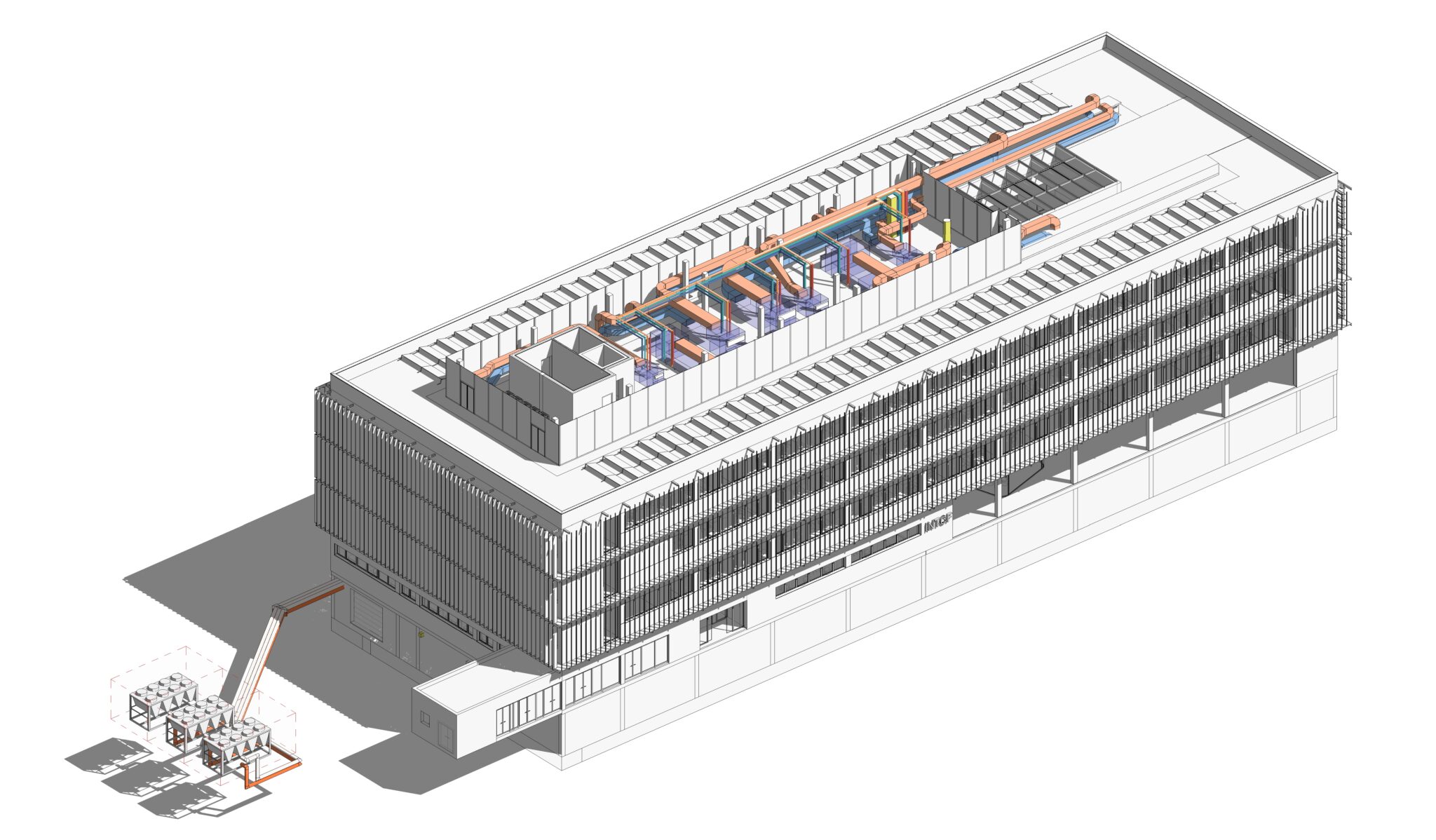
Savener has carried out the review, analysis, and optimization of the Heating, Ventilation, and Air Conditioning (HVAC) system as part of the detailed engineering design for the new Headquarters of the National Institute of Toxicology and Forensic Sciences in Seville, located on the campus of Pablo de Olavide University in Dos Hermanas.
The building, designed to accommodate specialized laboratories, instrumental analysis areas, sample processing facilities, and administrative offices, presents demanding technical requirements related to environmental control, indoor air quality, and the stability of operating conditions. Savener’s involvement focused on the technical assessment of the originally proposed system and the development of an optimized solution tailored to the building’s actual operating conditions. This approach improves energy efficiency, enhances operational flexibility, and optimizes the overall performance of the building services.
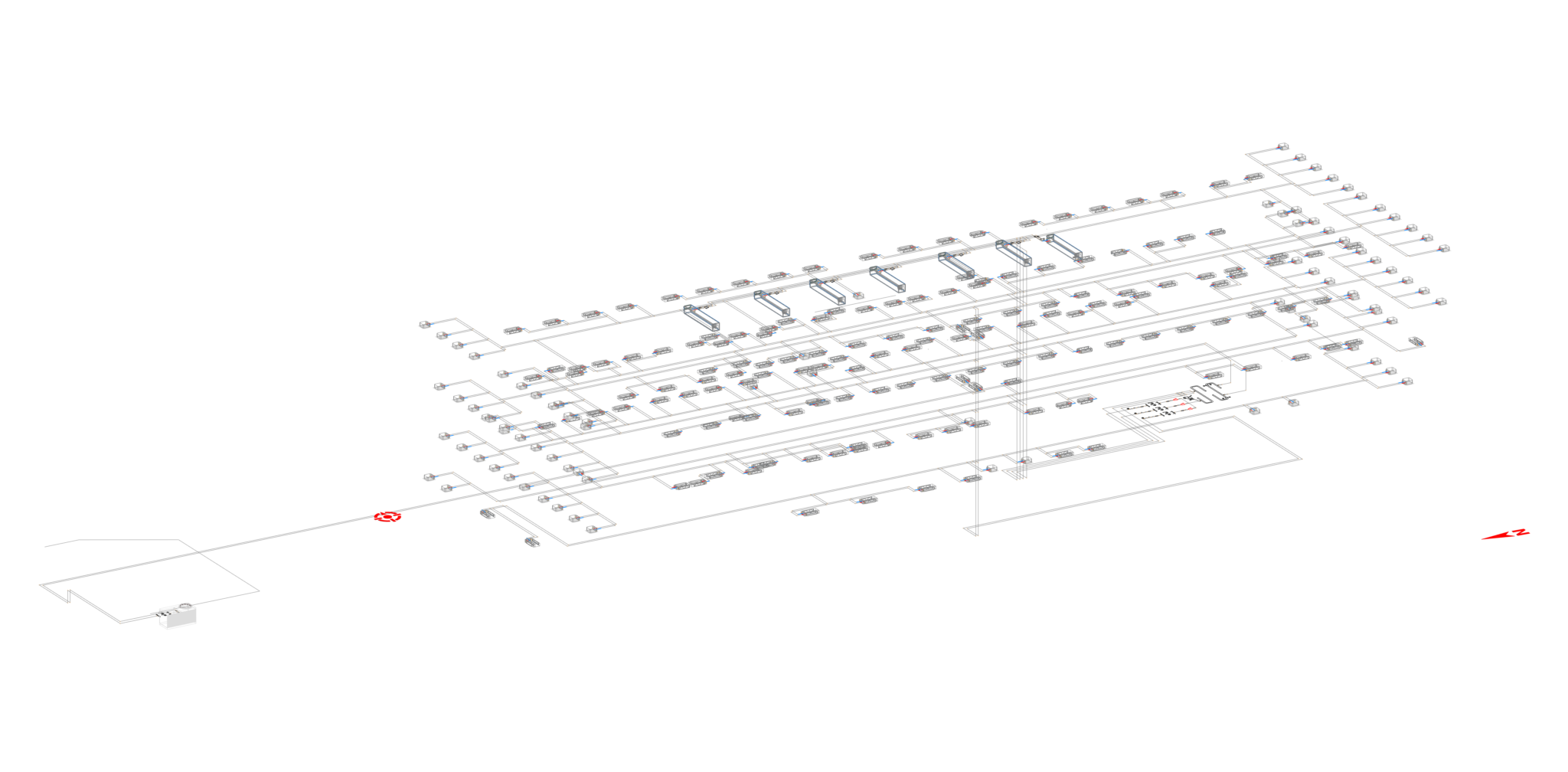
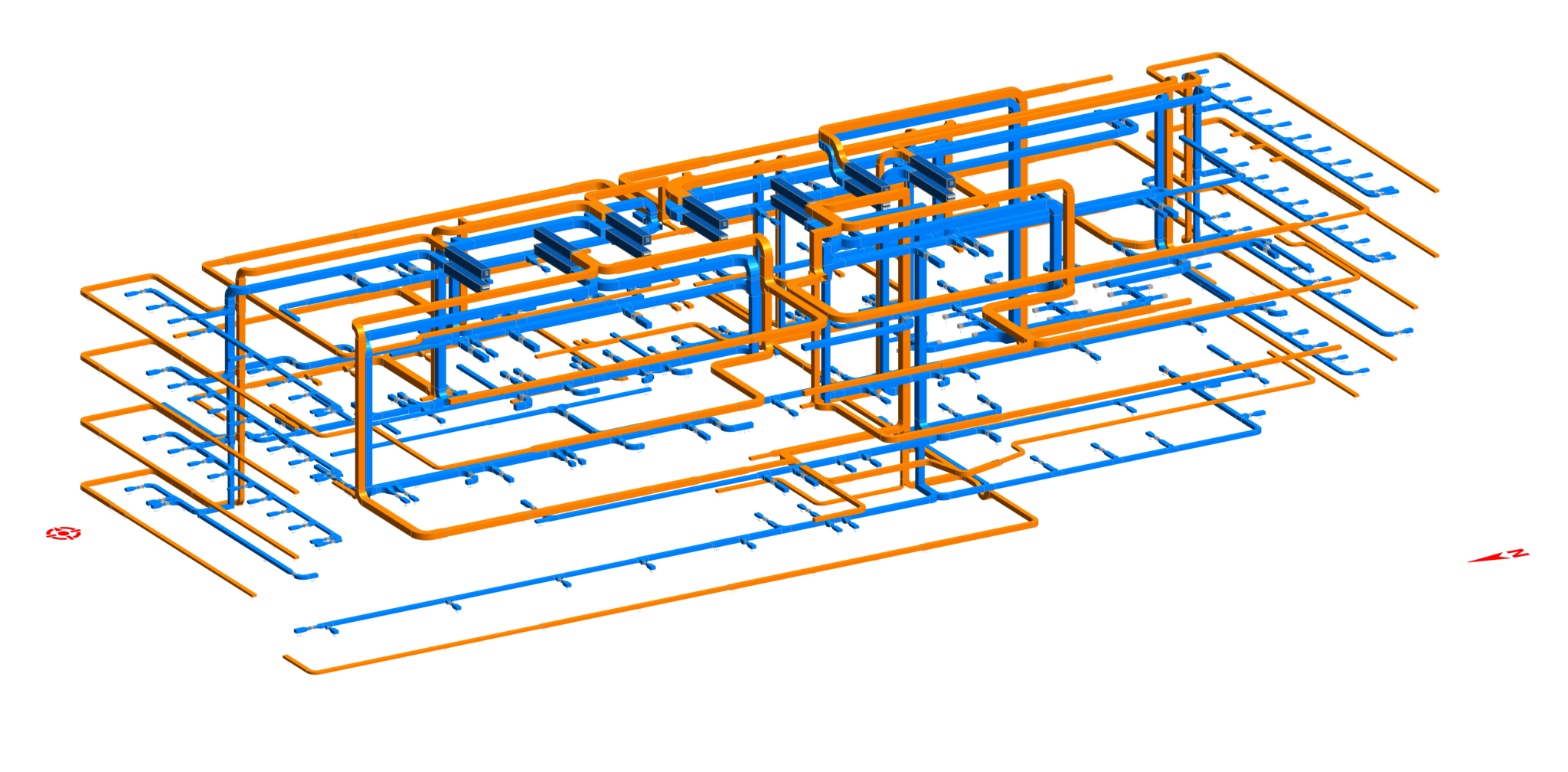
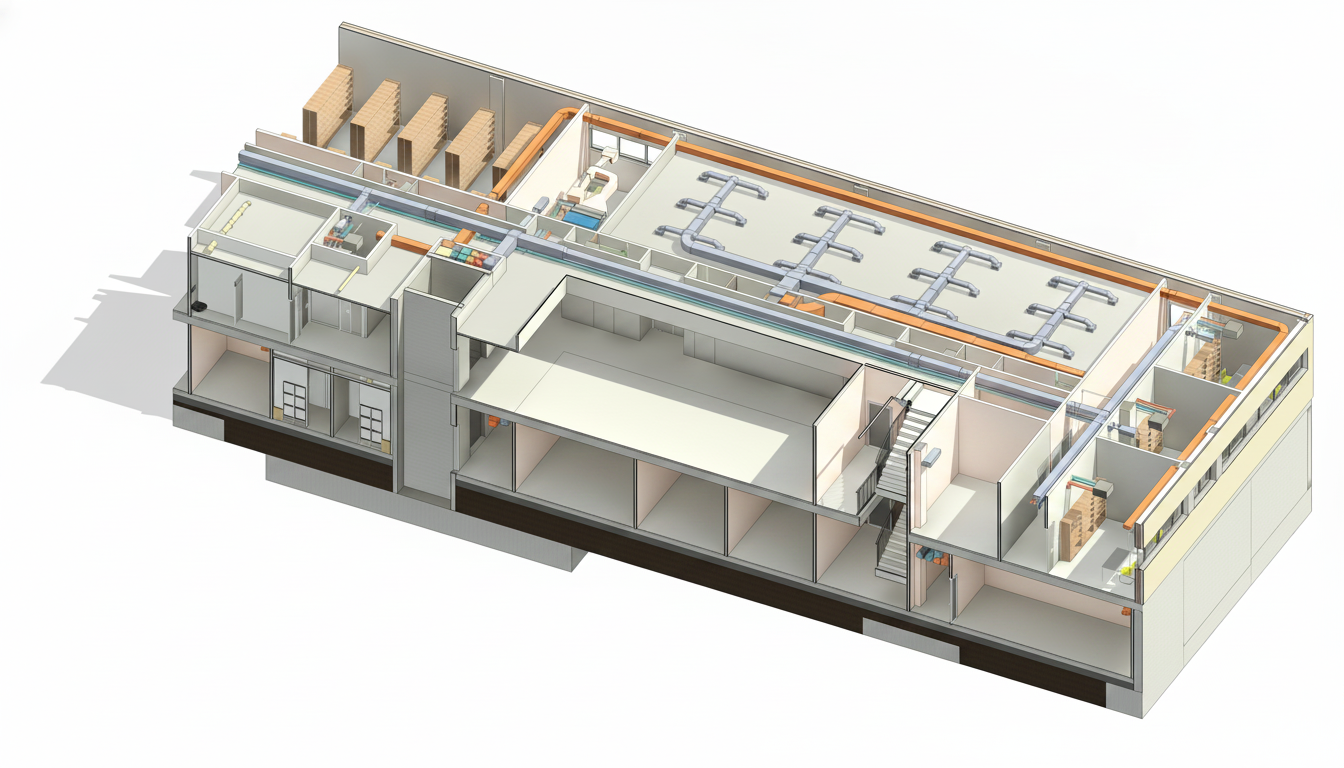
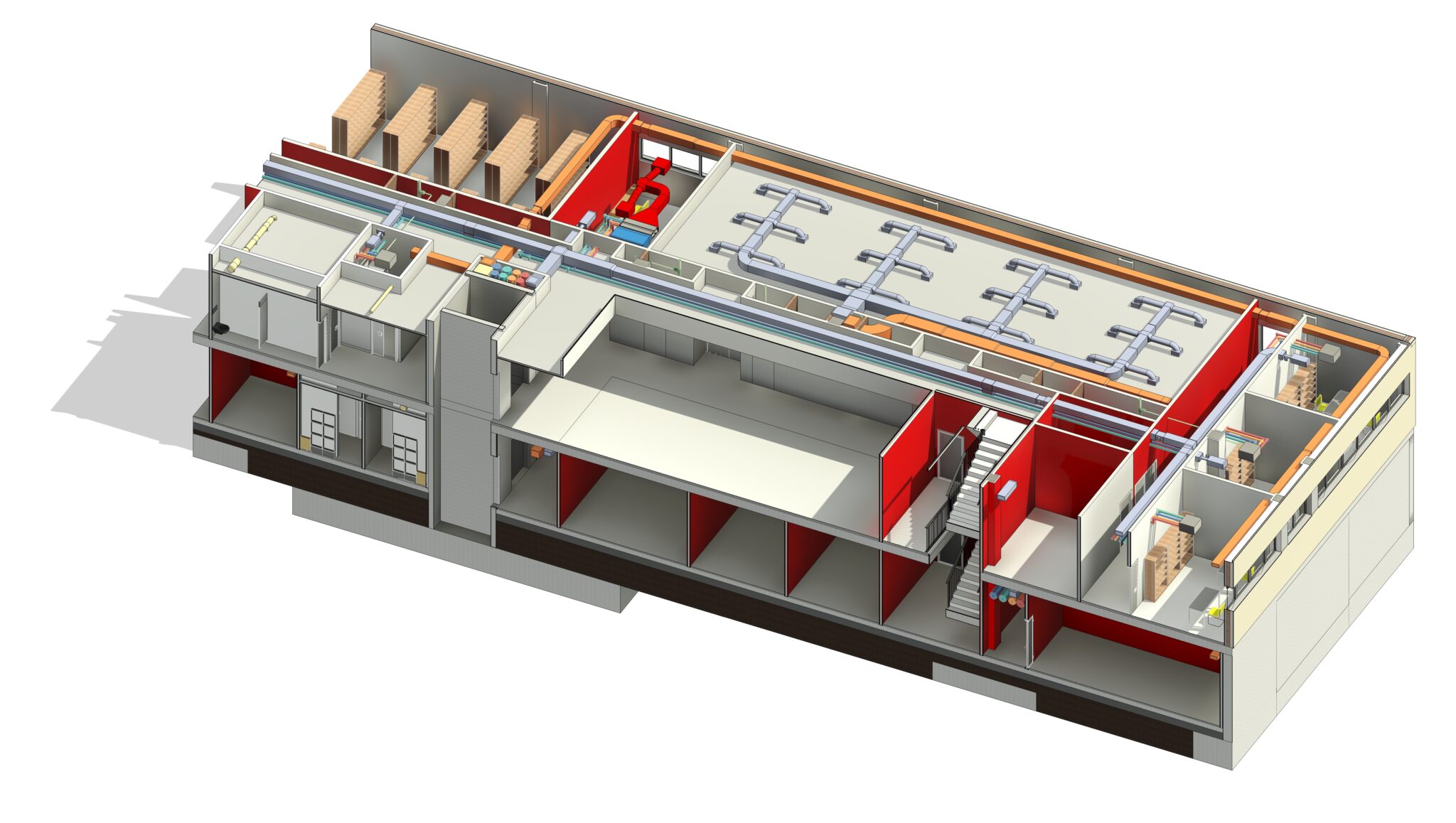
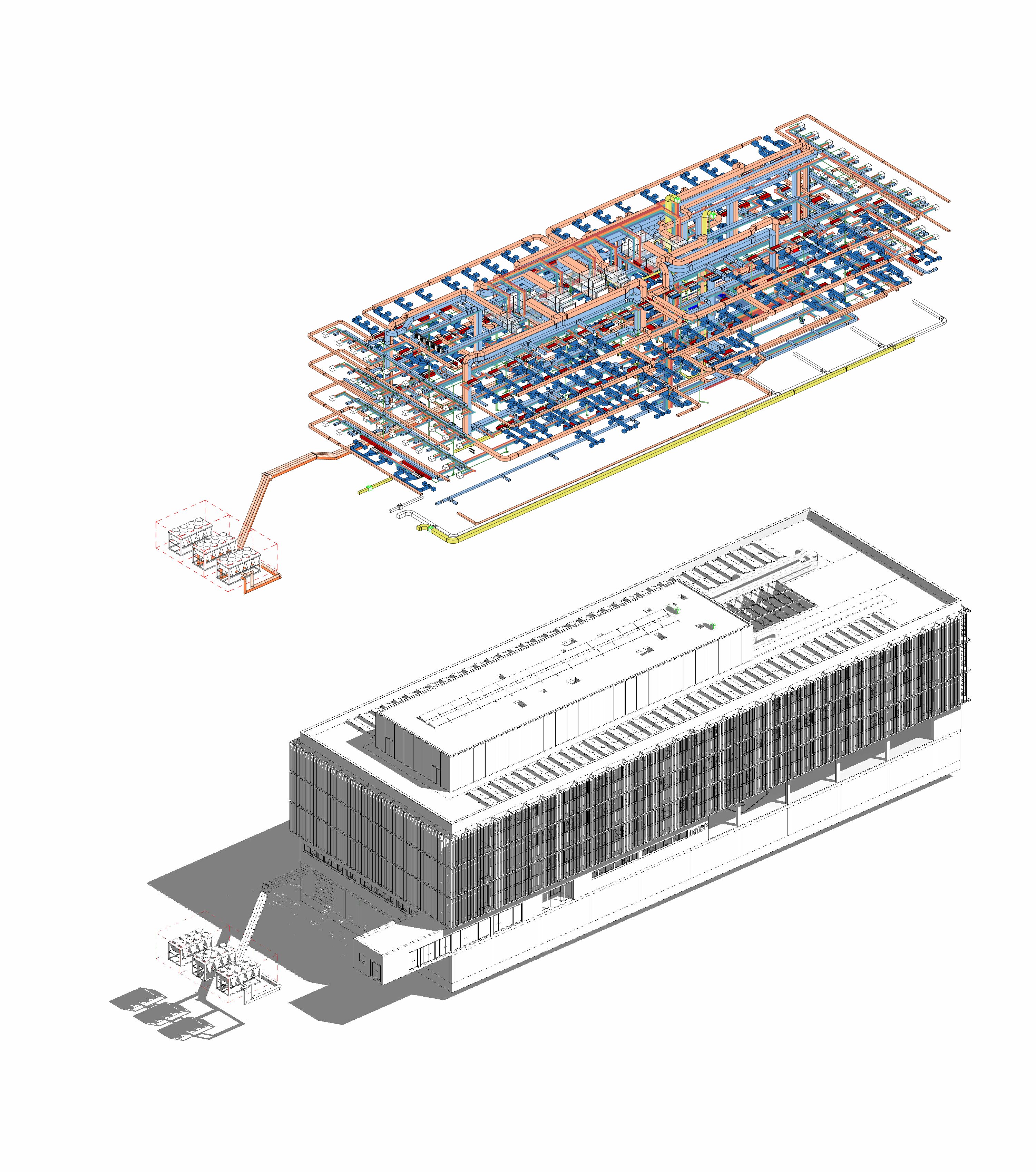
Savener’s scope of work included the review and evaluation of thermal loads, ventilation airflow rates, and real operating conditions, as well as the development of a new HVAC strategy adapted to the various functional and environmental requirements of the facility. In addition, the ductwork networks and overall building services layout were optimized, improving accessibility, maintainability, and equipment installation arrangements.
As a result, Savener completely redefined the building’s HVAC concept. The original solution, based on an all-air system with large airflow rates continuously supplied through Air Handling Units (AHUs), evolved into a significantly more efficient and flexible model. In the new configuration, the AHUs are dedicated exclusively to primary ventilation and fresh air renewal, while individualized thermal control in each space is provided through modulating fan coil units.
This new approach enables each area to operate according to its actual thermal demand, improving occupant comfort, optimizing energy consumption, and achieving a better balance between indoor air quality and environmental control. Furthermore, the reduction in airflow rates allowed for smaller duct sizes and a significant optimization of rooftop equipment layouts, enhancing accessibility, maintenance operations, and the overall functionality of the installation.
The project also included the definition of control and integration systems for centralized monitoring and management of HVAC equipment, aimed at ensuring reliable and stable operation within a highly demanding scientific and technical environment. Additional activities included the technical coordination of building services and the analysis of utility connections and infrastructure associated with the HVAC system.
Participation in this project further strengthens Savener’s experience in the development of HVAC solutions for complex buildings and facilities with specific environmental control requirements, reinforcing its technical expertise in projects related to scientific, healthcare, and industrial infrastructure.