When designing a photovoltaic installation, one of the determining parameters is its efficiency, understood as the ratio between the electrical energy generated and the solar energy incident on the modules, with the optimization of this performance being key.
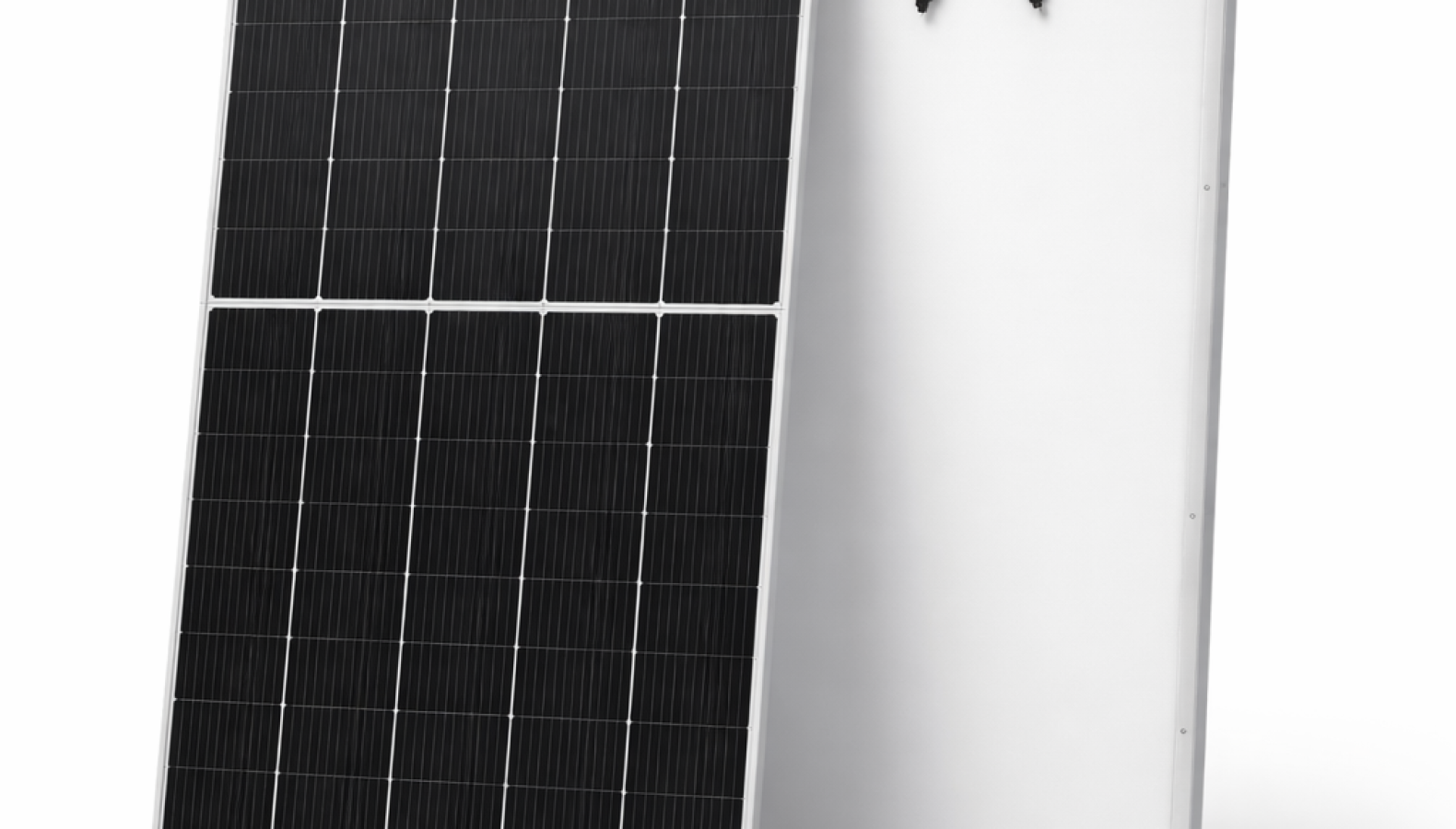
Conventional photovoltaic installations traditionally use monofacial modules, i.e., modules that incorporate photovoltaic cells only on their front side. In this configuration, only direct solar radiation and part of the diffuse radiation incident on that surface is used, while radiation reflected by the ground or surrounding elements does not contribute to electricity generation.
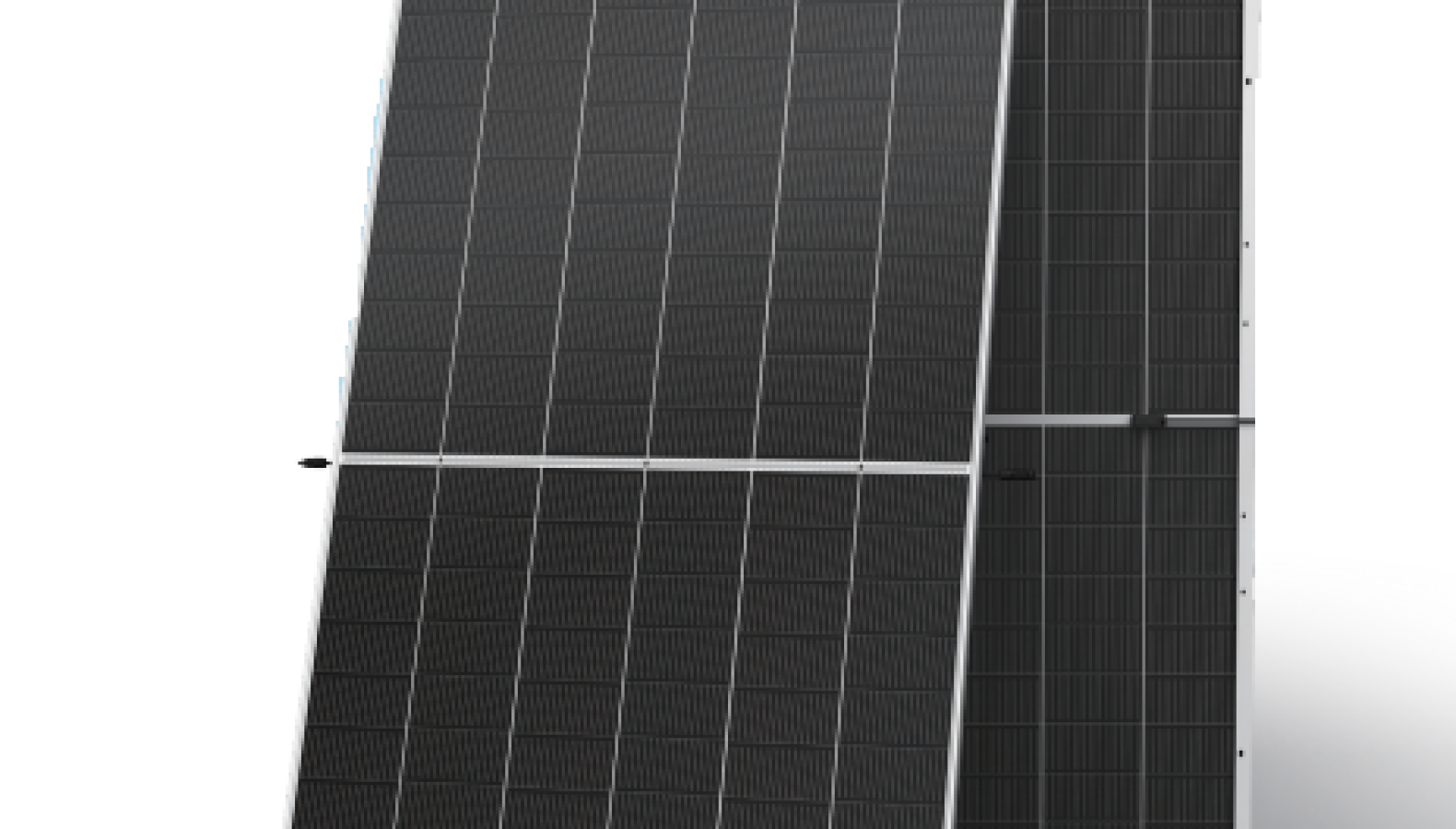
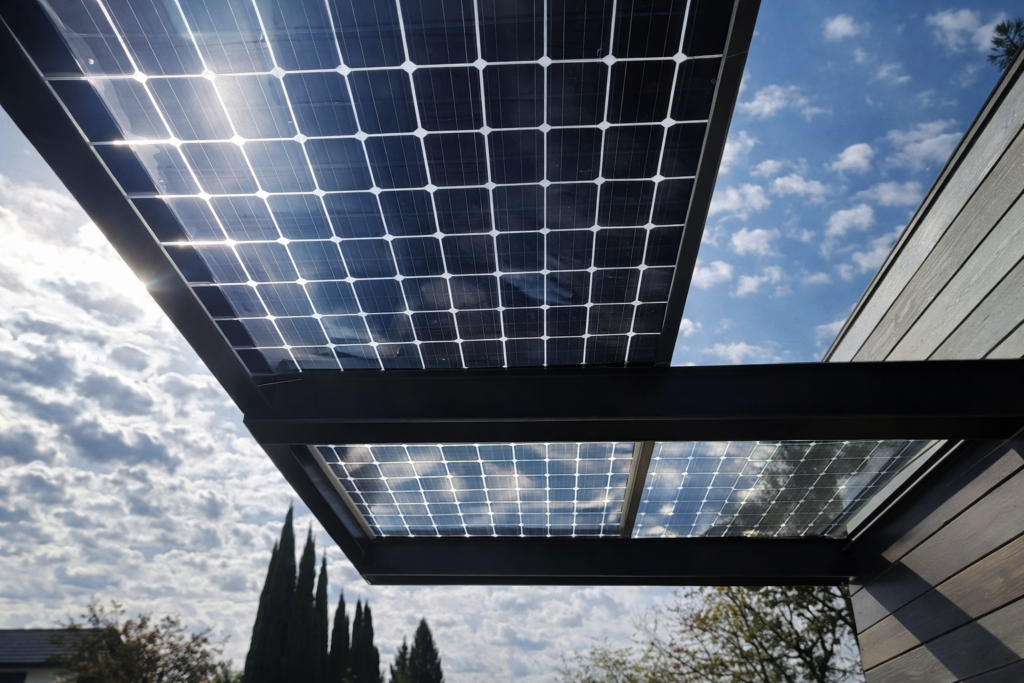
In order to overcome this limitation, bifacial modules have been developed, which integrate photovoltaic cells on both the front and back sides. In this case, the energy generated by the rear side comes from solar radiation reflected (albedo) by the ground or nearby surfaces, which strikes the back of the module directly. These modules usually have glass-glass configurations or transparent encapsulation on the rear side, which allows the cells to be exposed to this reflected radiation, while providing greater structural rigidity and protection against environmental agents.
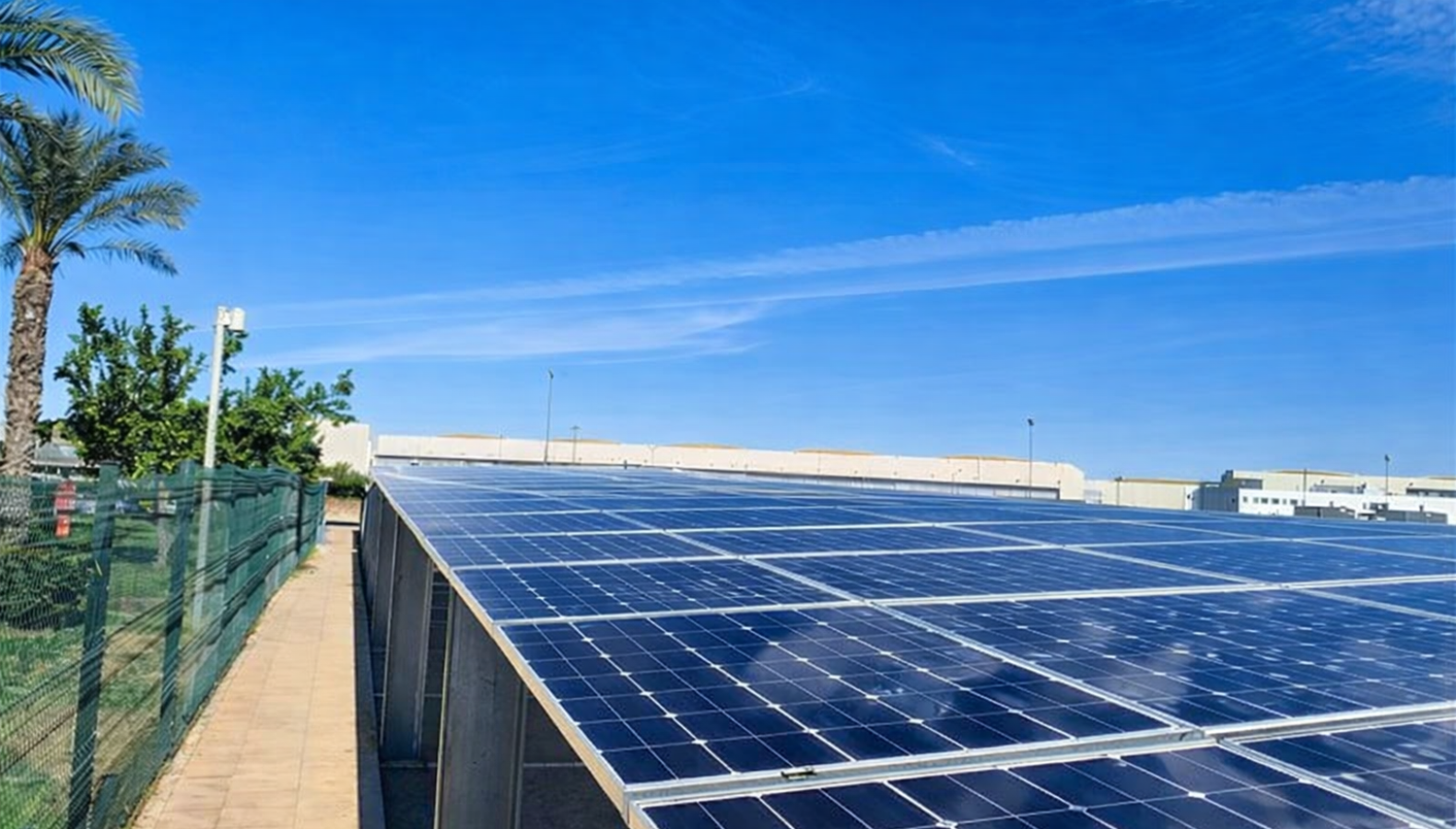
The use of reflected radiation allows for an increase in annual electricity production. On typical urban roofs, with average reflectance, the gain can be around 8%. In ground-mounted installations with light-colored or highly reflective surfaces, this increase can reach values close to 30%, especially when solar trackers are used to optimize the orientation of the module and promote collection on both sides.
However, for the gain to be significant, it is necessary to ensure sufficient height above the ground to allow the reflected radiation to effectively reach the rear surface. In ground-mounted installations, distances of around 1 to 1.5 meters from the bottom edge of the module to the ground are usually considered. Likewise, parameters such as the albedo of the site, the separation between rows, and possible losses due to shading must be analyzed.
Another significant advantage of this technology is its better performance in low irradiance conditions, such as on cloudy days or in the early and late hours of the day, when the proportion of diffuse radiation is higher. The additional use of reflected radiation helps to smooth the generation curve and improve annual energy yield.
From an economic point of view, bifacial modules can have an initial cost between 5-10% higher than equivalent monofacial modules. However, the increase in annual production, which can be between 8-30% depending on installation conditions, together with slightly lower degradation rates (around 0.45% per year compared to values close to 0.55-0.70% in conventional modules), improves cumulative performance over the lifetime of the system and offsets the higher initial investment.
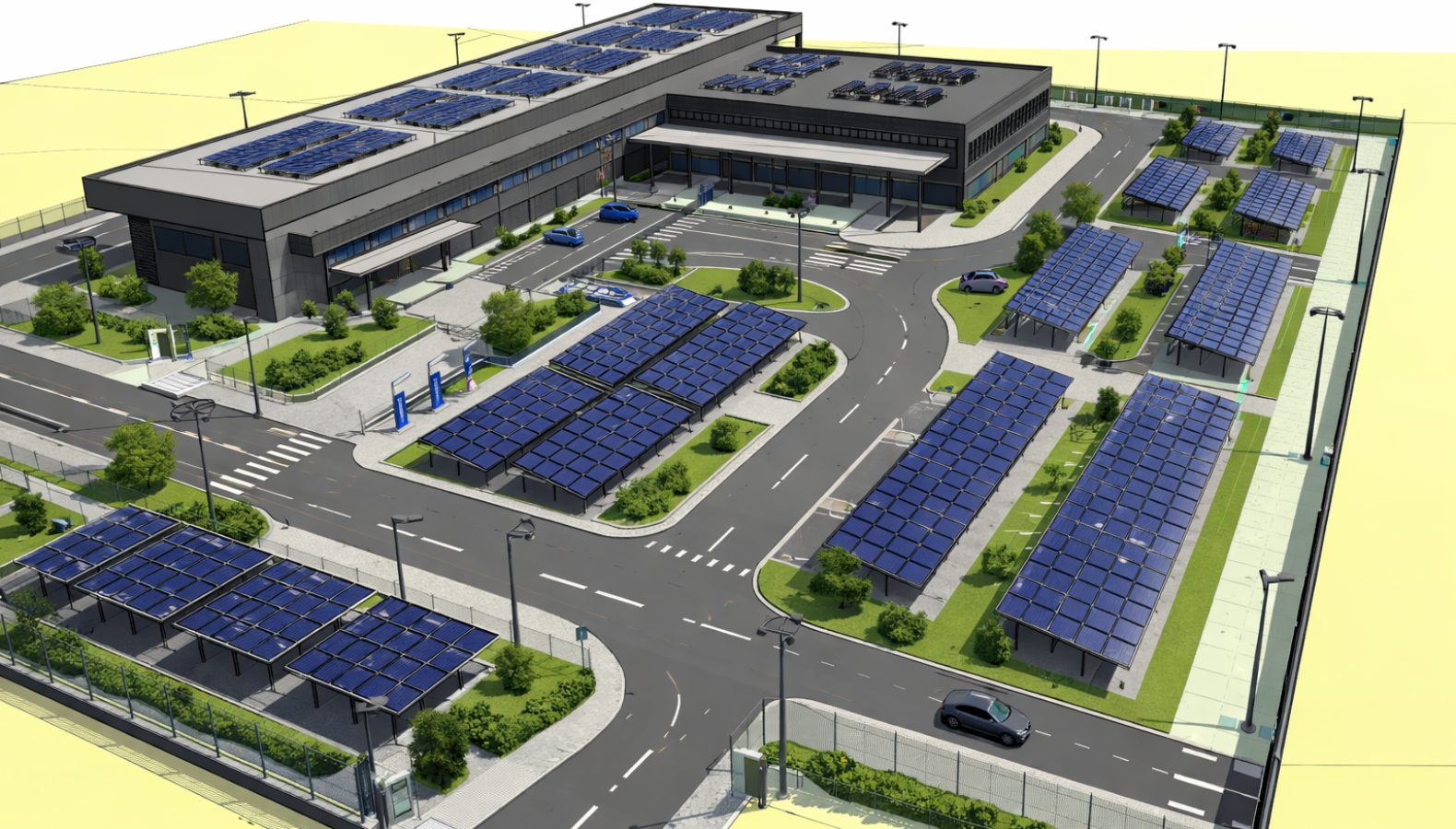
In short, bifacial technology is positioned as a high added-value technical solution for projects seeking to maximize efficiency and optimize the use of available space. A detailed analysis of the site and a comprehensive design of the installation are key to transforming the potential for additional capture into a real improvement in the overall performance of the system, reinforcing the competitiveness of current photovoltaic installations.
Greater efficiency, higher production, and better use of space: the future of photovoltaics is also being built on both sides.